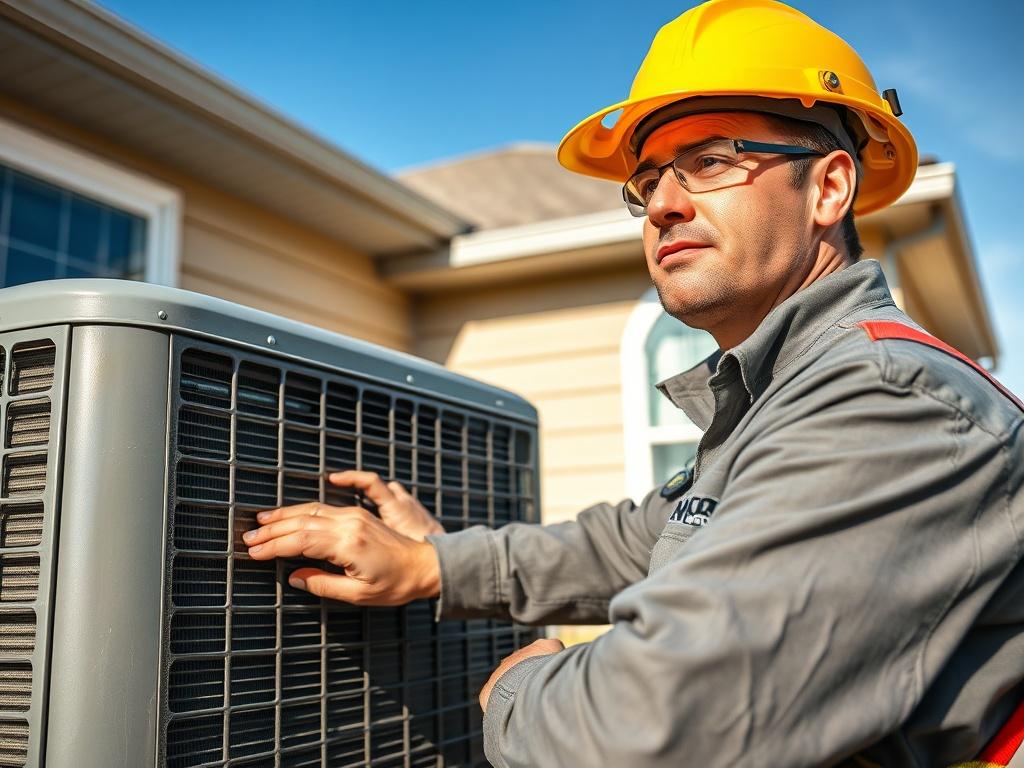
Oklahoma City doesn't give homeowners much of a grace period when it comes to climate comfort. Summers push temperatures well into the triple digits, winters bring sudden hard freezes, and the transition between seasons can happen so fast that your HVAC system barely has time to adjust. In a climate like this, your heating and cooling equipment isn't just a convenience. It's a necessity, and when it fails, it fails at the worst possible time.
Understanding why Oklahoma City's climate puts unique demands on HVAC systems, and what timely service actually means for your home's efficiency and safety, is the first step toward staying ahead of problems rather than reacting to them after they've already disrupted your household.
Most parts of the country deal with either heat or cold as their dominant HVAC challenge. Oklahoma City deals with both, and it does so intensely. Summer heat that regularly exceeds 100 degrees pushes cooling systems to their limits for months at a time. At the same time, winter cold snaps can arrive rapidly and send heating systems into overdrive with very little warning.
The humidity also fluctuates dramatically throughout the year, which affects how hard your system has to work to maintain comfortable indoor conditions. High summer humidity makes your AC work harder to remove moisture from the air, not just lower the temperature. Dry winter air creates its own set of issues for both your comfort and your home's structural integrity. HVAC systems in Oklahoma City don't get a break the way systems in more moderate climates do, and that sustained workload accelerates wear on every major component.
When outdoor temperatures climb above 100 degrees and stay there for days at a time, your AC system is running almost continuously. That kind of sustained operation reveals weaknesses that might go unnoticed during a milder season. Refrigerant levels that were slightly low in spring become a significant problem in July. A capacitor that was performing marginally in May is more likely to fail under peak summer load.
The risk isn't just discomfort. Prolonged exposure to extreme indoor heat is a genuine health concern, particularly for elderly residents, young children, and anyone with a cardiovascular or respiratory condition. When your cooling system fails in the middle of an Oklahoma City summer, getting it repaired quickly isn't optional. It's urgent. Systems that receive preventive maintenance before the heat season begins are far less likely to fail during peak temperatures.
Oklahoma City winters are unpredictable, catching many homeowners off guard. Temperatures can drop from the 60s to below freezing in a matter of hours, and ice storms that knock out power and stress heating systems are not uncommon. A heating system that hasn't been serviced before winter arrives is one cold snap away from leaving your family without heat during some of the most dangerous conditions of the year.
Common winter HVAC issues in Oklahoma City include:
Each of these issues is significantly easier and less expensive to address during a scheduled maintenance visit than during an emergency call in the middle of a winter storm.
An HVAC system that isn't properly maintained doesn't just break down more often. It also costs more to operate every single day. Dirty filters, low refrigerant, worn belts, and failing components all force your system to consume more energy to produce the same level of heating or cooling. In a climate where your system runs as hard as it does in Oklahoma City, that efficiency loss adds up quickly on your monthly utility bills.
Studies consistently show that well-maintained HVAC systems operate significantly more efficiently than neglected ones, with some estimates suggesting that a properly tuned system can reduce energy consumption by 15 to 25 percent compared to a neglected one. Over the course of an Oklahoma City summer, that difference is substantial. Routine maintenance isn't an added expense. It's an investment that pays for itself through lower operating costs and fewer emergency repairs.
Waiting for a complete system failure before calling a technician is one of the most expensive approaches a homeowner can take. Most HVAC problems give warning signs well before they become full breakdowns, and recognizing those signs early can mean the difference between a minor repair and a major replacement.
Signs that your system needs professional attention include unusual sounds like banging, rattling, or squealing during operation, inconsistent temperatures between rooms, a sudden, unexplained increase in your energy bills, short cycling where the system turns on and off more frequently than normal, and visible ice forming on the outdoor unit or refrigerant lines. Any of these symptoms warrants a service call before the problem escalates.
It's easy to think of HVAC maintenance as purely a matter of comfort and efficiency, but safety is equally important. A cracked heat exchanger on a gas furnace can allow carbon monoxide to enter your home's air supply; carbon monoxide is odorless, colorless, and potentially fatal. Electrical issues within HVAC equipment are a fire risk if left unaddressed. Refrigerant leaks can pose health risks and damage the compressor, rendering an entire system unusable.
Routine professional inspections catch these safety concerns before they become emergencies. A technician who services your system annually isn't just tuning it for performance. They're checking for conditions that could put your family at risk, and that's a layer of protection that no amount of DIY maintenance can fully replicate.
At Caldwell Mechanical Services, our team understands the specific demands Oklahoma City's climate places on residential HVAC systems, and we've built our services to help homeowners stay ahead of those demands. We provide thorough seasonal maintenance, honest diagnostics, and prompt repairs that address root causes rather than temporary fixes. We treat every home we service with the same care and attention we'd want for our own, because we know how much is at stake when your heating or cooling fails in this climate.
If you're ready to stop reacting to HVAC problems and start preventing them, contact us today, and let's build a maintenance plan that keeps your home comfortable and your system running efficiently all year long.

