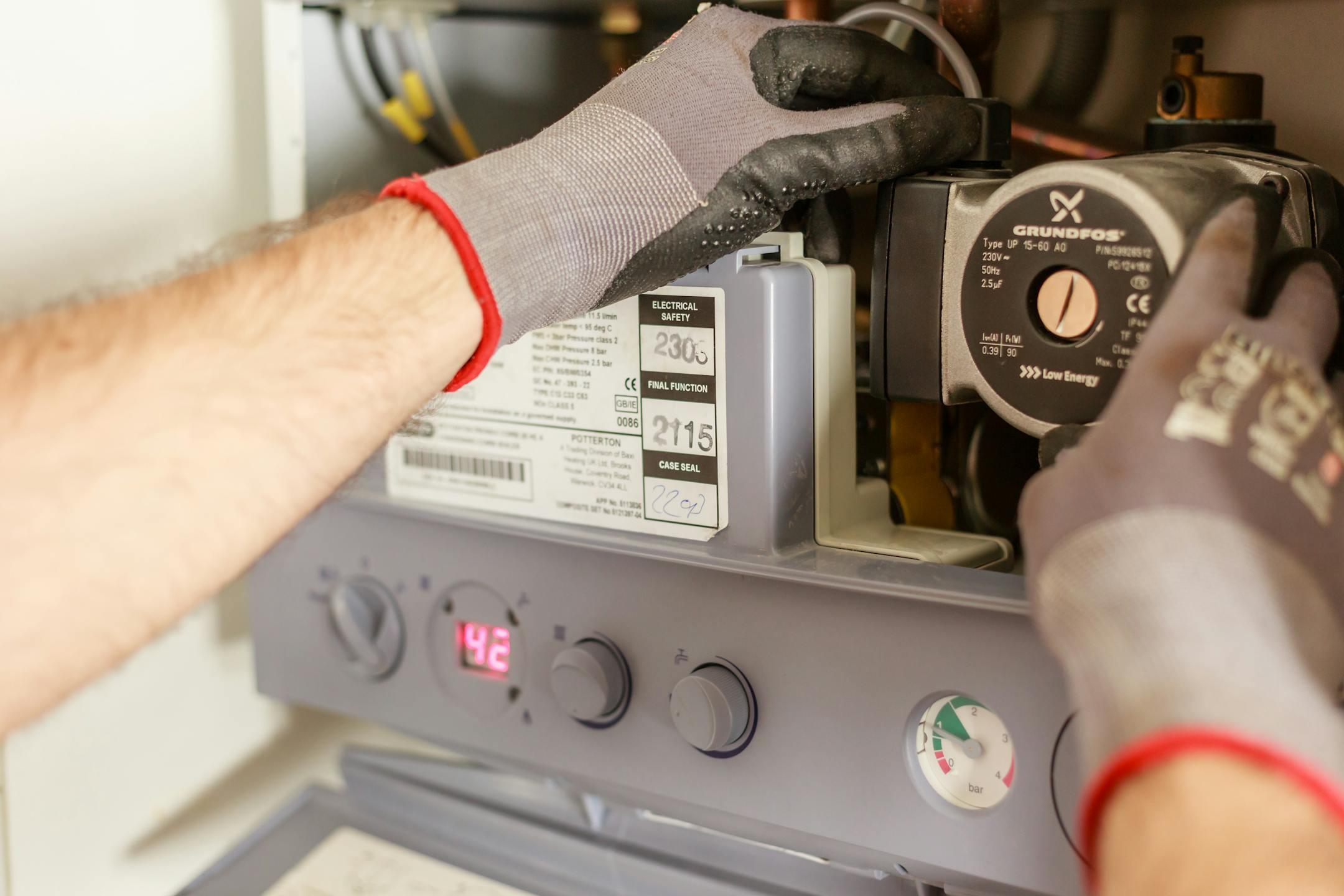
A commercial steam boiler should run steady. But in many buildings, it doesn’t.
We see the same problems again and again. Breakdowns. Inefficiency. Unexpected shutdowns. Most of these issues don’t happen overnight. They build over time.
If you rely on a Commercial Steam Boiler, understanding why failures happen helps you prevent them.
Here’s what goes wrong—and how to stop it.
1. Poor water quality damages the system
Water quality is one of the biggest causes of boiler failure.
Untreated water contains minerals and impurities. Over time, these create scale inside the boiler. That scale blocks heat transfer and causes overheating.
It also leads to:
- Corrosion
- Leaks
- Reduced efficiency
Prevention is straightforward:
- Test water regularly
- Use proper chemical treatment
- Maintain a consistent water program
Ignoring water quality shortens the life of your system.
2. Lack of regular maintenance
Many failures come down to one issue: missed maintenance.
A Commercial Steam Boiler needs routine checks. Not once a year. On a consistent schedule.
Without maintenance, small issues turn into major problems:
- Valves stick
- Sensors fail
- Burners lose efficiency
A proper maintenance plan includes:
- Inspections
- Cleaning
- Calibration of controls
This keeps the system stable and reduces downtime.
3. Improper installation
If a boiler is installed incorrectly, problems show up fast.
Common issues include:
- Incorrect piping
- Poor venting
- Improper sizing
These mistakes affect performance from day one. And they’re expensive to fix later.
The solution is simple: work with experienced professionals. Proper installation sets the foundation for long-term reliability.
4. Pressure and control issues
Steam systems depend on precise pressure control.
If pressure is too high or too low, the system becomes unstable. This can lead to:
- Safety risks
- Equipment strain
- Inefficient operation
Control systems must be accurate and responsive. That means:
- Regular testing
- Proper calibration
- Timely replacement of faulty components
Ignoring control issues leads to bigger failures down the line.
5. Aging equipment
All systems age. But many commercial boilers stay in use past their prime.
As equipment gets older:
- Parts wear out
- Efficiency drops
- Repairs become more frequent
At some point, replacement is the smarter option.
Signs it’s time to replace:
- Frequent breakdowns
- Rising energy costs
- Difficulty finding replacement parts
Running an outdated system costs more over time.
6. Inconsistent load demand
Commercial buildings don’t always have steady demand.
A boiler that constantly cycles on and off wears down faster. This is common in buildings with changing occupancy or usage patterns.
Short cycling causes:
- Increased wear
- Reduced efficiency
- Higher fuel costs
Solutions include:
- Proper system sizing
- Load management strategies
- Buffer systems where needed
Balancing demand helps extend system life.
How to prevent boiler failure
Preventing failure isn’t complicated. It requires consistency.
Focus on:
- Water treatment
- Routine maintenance
- Proper installation
- Accurate controls
- Timely upgrades
Each step reduces risk. Together, they keep your system reliable.
Why it matters for your business
A failed Commercial Steam Boiler disrupts operations. It affects comfort, safety, and productivity.
Unplanned downtime costs money. And emergency repairs are always more expensive than planned maintenance.
Reliable systems support reliable businesses.
What to do next
If your boiler hasn’t been inspected recently, start there. A professional assessment identifies risks before they become failures.
At Caldwell Mechanical, we work with commercial clients across Texas and Oklahoma. We don’t just fix problems. We help you avoid them and keep your systems running long-term.
Need help with your steam boiler system? Schedule a consultation and get a clear plan to keep your equipment running without surprises.