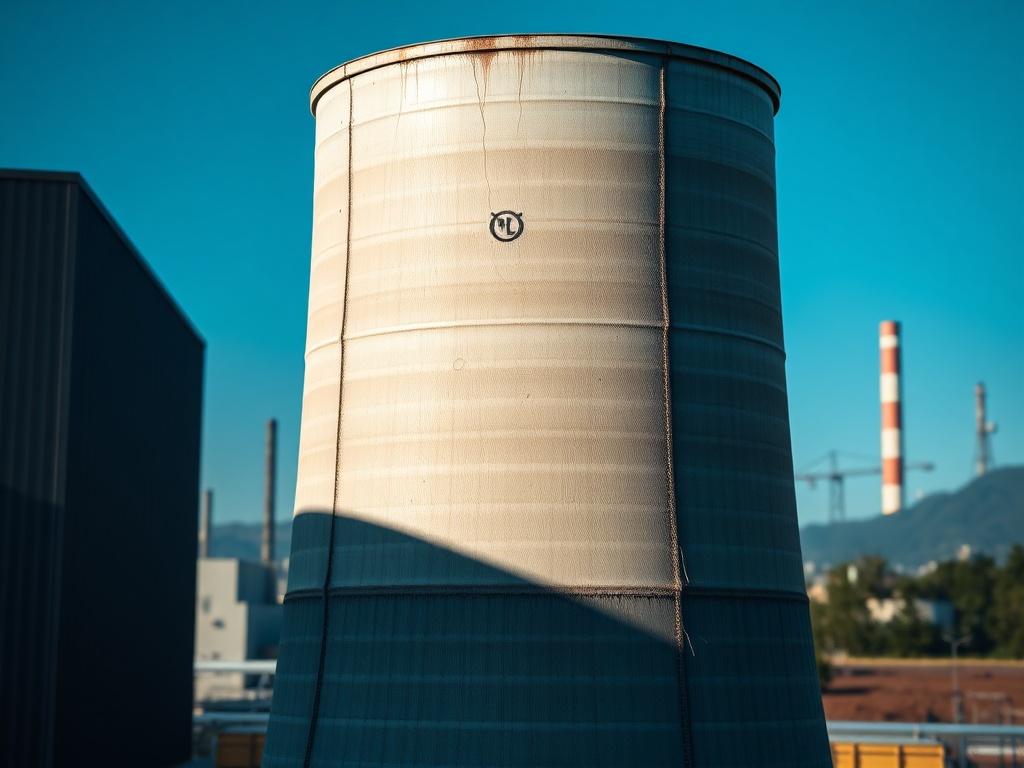
When it comes to cooling systems, proper cooling tower sizing is crucial. Picking the wrong size cooling tower is an expensive mistake—this guide helps you avoid it. An inadequately sized cooling tower can lead to inefficient operation, increased energy costs, and ultimately, reduced lifespan of the equipment. Understanding the factors involved in selecting the correct dimensions is essential for ensuring optimal performance and longevity of your cooling system.
In this blog post, we’ll explore the importance of properly sizing your cooling tower and identify common pitfalls many face during the selection process. We’ll also explore key factors that contribute to optimal cooling tower performance, helping you make informed decisions.
Understanding the Importance of Proper Cooling Tower Sizing
Proper cooling tower sizing is crucial for the efficiency and longevity of your HVAC system. When you select a cooling tower that matches the demands of your application, you ensure optimal heat rejection, improved energy efficiency, and reduced operational costs. Conversely, picking the wrong size cooling tower is an expensive mistake—this guide helps you avoid it. An undersized cooling tower can lead to overheating or insufficient cooling, ultimately impacting equipment performance and increasing maintenance costs. By understanding the importance of correct sizing, you can make informed decisions that enhance system reliability and efficiency.
Additionally, proper sizing contributes to regulatory compliance and environmental sustainability goals. Oversized cooling towers waste energy and increase operational expenses, while undersized units compromise system performance and may not meet environmental standards. This imbalance can result in higher water consumption and increased emissions, putting you at risk of regulatory penalties.
Common Pitfalls When Selecting Cooling Tower Dimensions
Selecting the wrong size cooling tower can lead to significant operational inefficiencies and increased costs. Many decision-makers get caught up in anecdotal recommendations or outdated experience when determining the size they need. This approach often results in towers that are either too small, leading to inadequate cooling capacity during peak demand, or too large, leading to unnecessary energy consumption and increased capital costs. Failing to account for your system's specific thermal load requirements can make the difference between effective cooling and costly overdrive.
Another common pitfall arises from neglecting environmental factors and local climate conditions. For instance, some individuals forget to account for variations in ambient temperature or humidity, which can significantly affect a cooling tower’s performance. Additionally, a lack of understanding of water quality can pose a problem; poor water quality can lead to scaling and fouling, impacting efficiency and longevity. These mistakes underscore the need for a thorough site analysis and material selection to ensure your cooling tower operates at peak efficiency without incurring high costs.
Key Factors to Consider for Optimal Cooling Tower Performance
When sizing a cooling tower, consider the heat load it must dissipate. This load depends on various factors, including the type of equipment being cooled, its operational efficiency, and the specific heat rejection requirements of your processes. Evaluating the cooling load accurately is crucial; underestimating it can lead to insufficient cooling, while overestimating it can result in unnecessary costs. Engage with an expert to gather precise data and avoid costly mistakes.
Another important aspect is the local climate and environmental factors. Ambient temperature and humidity significantly influence a cooling tower's efficiency. Higher temperatures can increase the heat load, requiring a larger cooling tower, while lower humidity can reduce evaporation rates. Additionally, consider potential obstructions, such as nearby buildings or trees, that could disrupt airflow and affect the tower's performance.
Experience the Caldwell Mechanical Services Advantage
Every property has unique climate needs, so we start with a tailored assessment to boost comfort and efficiency. Our technicians deliver honest recommendations and quality work to keep your cooling towers, HVAC systems, and cooling systems running smoothly.
At Caldwell Mechanical Services, transparency drives every decision—we only suggest what’s genuinely best for you. Schedule your consultation today and see why so many trust us for reliable HVAC and cooling tower solutions.