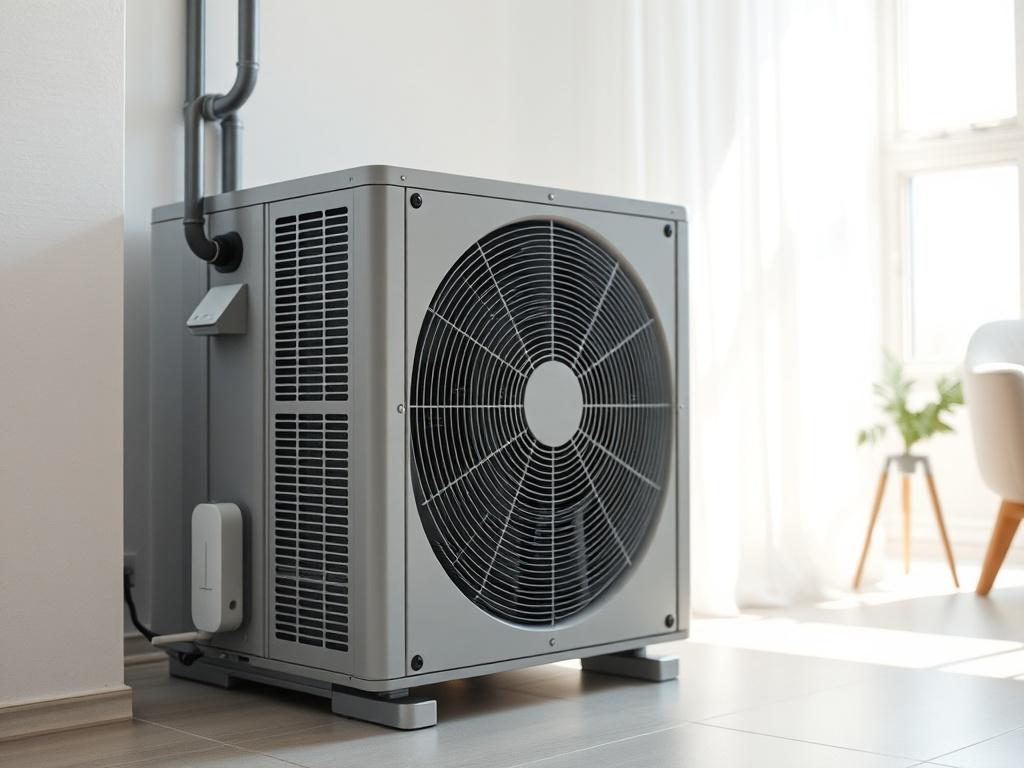
Heating and cooling systems can feel complicated. Between furnaces, air conditioners, heat pumps, ductwork, and thermostats, it is easy to get overwhelmed. The truth is that residential HVAC systems are not as confusing as they seem. Once you understand the basics, everything makes a lot more sense.
This guide breaks down how a residential HVAC system works in clear, simple terms. No jargon. No technical overload. Just the essentials.
What Does HVAC Actually Mean?
HVAC stands for Heating, Ventilation, and Air Conditioning. These three functions work together to keep your home comfortable year-round.
- Heating keeps your home warm during colder months.
- Ventilation moves air throughout your home.
- Air conditioning cools and removes humidity during warmer months.
Most homes use one system that handles all three jobs.
The Four Main Parts of a Typical HVAC System
While setups vary by home, most residential HVAC systems include four core components.
1. The Thermostat
This is the control center. You set the temperature, and the thermostat tells the system when to turn on or off. Modern thermostats can be programmable or smart, which helps manage energy use.
2. The Furnace or Heating Unit
In colder months, the furnace heats air and sends it through the ductwork. Furnaces typically run on natural gas, electricity, or propane.
When the thermostat senses that the home is cooler than your setting, it signals the furnace to produce warm air.
3. The Air Conditioner
In warmer months, the air conditioner removes heat from inside your home. It pulls warm air in, cools it down, and sends it back through the ducts.
At the same time, it reduces humidity, which helps your home feel more comfortable.
4. The Ductwork
Ducts are the pathways that move air throughout your home. They carry heated or cooled air into rooms and return the air to the system for conditioning again.
If ductwork is damaged or leaking, airflow becomes uneven and efficiency drops.
How Heating Works in Simple Terms
Here is what happens when your home needs heat:
- The thermostat detects that the indoor temperature is too low.
- It signals the furnace to turn on.
- The furnace heats air.
- A blower fan pushes that warm air through the ducts.
- Warm air enters rooms through vents.
Once the desired temperature is reached, the system turns off.
It is a cycle that repeats throughout the day to maintain comfort.
How Air Conditioning Works Without the Tech Talk
Cooling works a little differently, but the concept is still simple.
- The thermostat senses that the house is too warm.
- The air conditioner turns on.
- Warm indoor air is pulled into the system.
- Heat is removed from the air and released outside.
- Cool air is pushed back into the home.
This process continues until the thermostat reaches your set temperature.
Why Airflow Matters So Much
Even if your furnace and air conditioner are working perfectly, poor airflow can cause problems.
Common airflow issues include:
- Uneven temperatures between rooms
- Weak air coming from vents
- Higher energy bills
- Longer run times
Airflow problems are often caused by dirty filters, blocked vents, or leaky ducts. Regular maintenance keeps air moving properly.
The Role of Air Filters
Air filters trap dust, pollen, and other particles before air circulates through your home. When filters become clogged, airflow slows down, and the system works harder.
Replacing filters regularly helps:
- Improve indoor air quality
- Reduce strain on equipment
- Lower energy use
- Extend system lifespan
It is one of the simplest and most important maintenance steps homeowners can take.
How to Keep Your HVAC System Running Smoothly
Residential HVAC systems are designed to last many years, but they require basic care.
Here are a few practical tips:
- Replace air filters every one to three months.
- Keep vents clear of furniture or obstructions.
- Schedule annual professional maintenance.
- Pay attention to unusual sounds or smells.
- Avoid constant thermostat adjustments.
Small preventive steps can prevent expensive repairs down the road.
When to Call a Professional
If your system is not heating or cooling properly, making strange noises, or causing sudden spikes in your energy bill, it is time to call a professional.
Trying to fix internal components yourself can cause further damage. A trained technician can quickly diagnose issues and restore performance.
Trust Caldwell Mechanical Services for Clear, Reliable Solutions
At Caldwell Mechanical Services, we believe HVAC should not feel confusing. Our team is committed to explaining your heating and cooling system in clear, simple terms so you always understand what is happening in your home. We provide professional inspections, repairs, and maintenance to keep your system running efficiently year-round.
We take pride in honest communication and dependable service. Whether you need routine maintenance or a full system evaluation, we are here to help. If you have questions about your HVAC system or want to schedule service, contact our team today. We are ready to keep your home comfortable without the fluff.