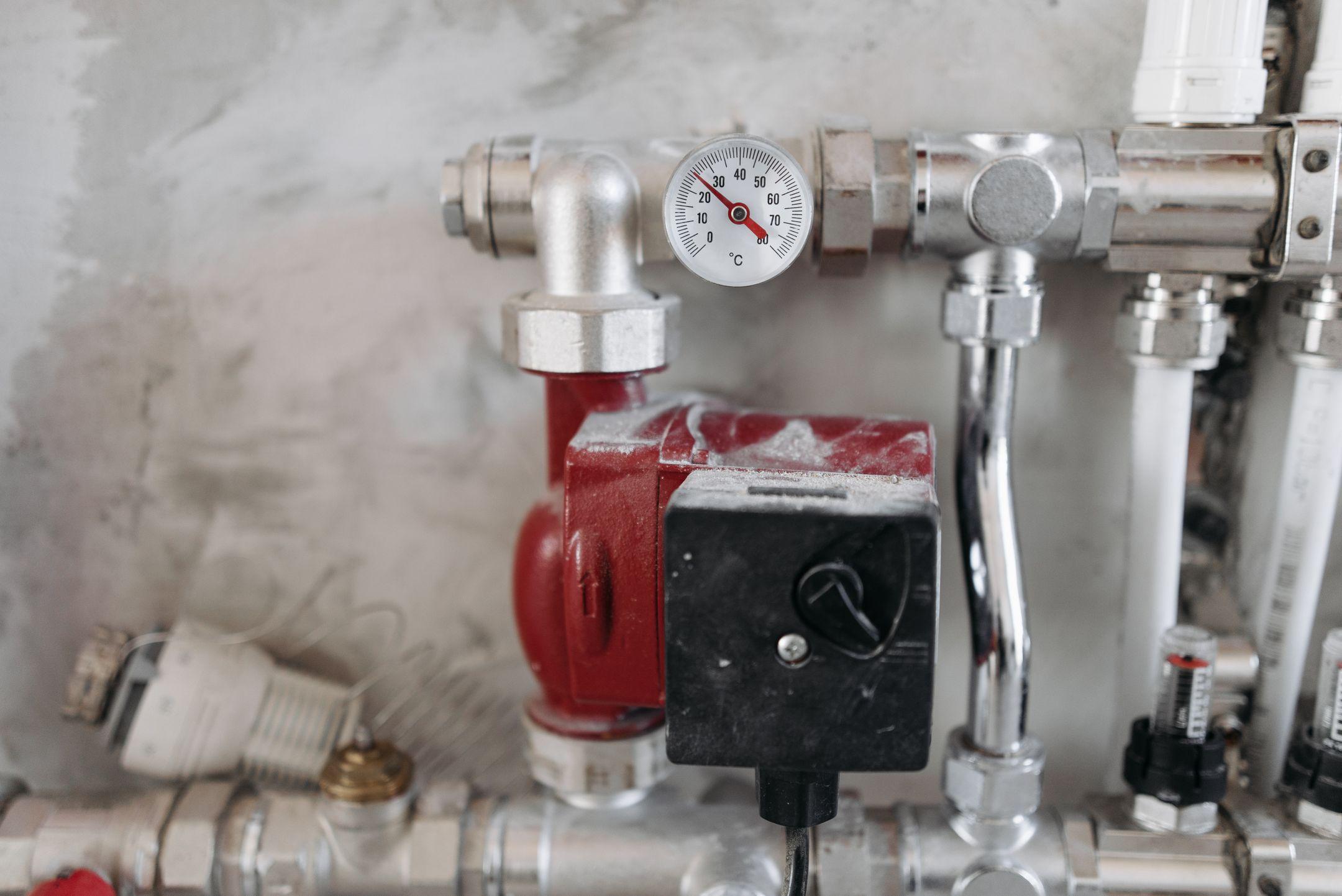
An HVAC system depends on more than heating and cooling equipment. Pumps play an important role by moving water or other fluids through the system so it can operate efficiently. When a pump stops working, the entire system can be affected. Heating or cooling performance drops, energy use increases, and equipment can suffer additional damage if the problem isn't addressed quickly.
If your HVAC system suddenly isn't performing as expected, knowing the first steps to take can help you identify the problem and determine when it's time to schedule professional pump service.
Here's what you should do when an HVAC pump fails.
Recognize the Signs of Pump Failure
Pump problems don't always begin with a complete shutdown. In many cases, warning signs appear well before the pump stops working.
Common symptoms include:
- Unusual grinding, humming, or rattling noises
- Reduced heating or cooling performance
- Water leaks around the pump
- Low water flow
- Frequent system shutdowns
- Vibrating pipes
- Higher utility bills
- Warning lights or fault codes on the HVAC system
If you notice one or more of these issues, it's a good idea to investigate before the problem becomes more serious.
Check the Thermostat First
Before assuming the pump has failed, confirm that the thermostat is working properly.
Make sure:
- The system is set to the correct operating mode.
- The temperature setting is appropriate.
- The display is functioning.
- The batteries are replaced if needed.
Sometimes a simple thermostat issue creates symptoms that resemble pump failure.
Once you've ruled that out, continue checking the rest of the system.
Verify the Power Supply
Many pump problems turn out to be electrical.
Check whether:
- The circuit breaker has tripped.
- A disconnect switch has been turned off.
- The pump is receiving power.
- Any fuses have blown.
If the breaker continues to trip after being reset, don't keep resetting it. Repeated electrical faults usually indicate a larger problem that requires professional diagnosis.
Look for Visible Leaks
Water around an HVAC pump often points to a developing issue.
Leaks can result from:
- Worn seals
- Loose fittings
- Damaged valves
- Corroded piping
- Cracked pump housings
Even a small leak should be addressed promptly. Water damage can spread to nearby equipment, while a loss of water pressure reduces overall system performance.
If you notice significant leaking, shut the system down and arrange for pump service as soon as possible.
Listen Carefully
Your ears can tell you a lot about the condition of a pump.
Different sounds often indicate different problems.
For example:
- Grinding may suggest worn bearings.
- Cavitation often sounds like gravel moving through the pump.
- High-pitched squealing may point to motor issues.
- Loud vibration can indicate loose mounting hardware or an unbalanced component.
New noises should never be ignored. Mechanical parts rarely become quieter on their own.
Monitor System Pressure
Many commercial HVAC systems include pressure gauges that help monitor operation.
A sudden pressure drop may indicate:
- Air trapped in the system
- Pump failure
- Closed valves
- Pipe blockages
- Leaks
High pressure can also signal problems with circulation or restrictions within the system.
If pressure readings move outside the normal operating range, professional inspection is recommended before additional damage occurs.
Check for Reduced Water Flow
Pumps are designed to keep water circulating through the HVAC system.
If circulation slows, you'll often notice:
- Uneven room temperatures
- Longer heating or cooling cycles
- Equipment overheating
- Reduced comfort throughout the building
Restricted flow may result from clogged strainers, failing pump components, air trapped in the system, or blocked piping.
Diagnosing the exact cause requires more than simply replacing the pump.
Don't Ignore Strange Smells
Electrical issues sometimes produce noticeable odors.
A burning smell can indicate:
- Overheating motors
- Damaged wiring
- Failing electrical components
- Insulation breakdown
If you detect burning odors, turn the system off immediately and avoid operating it until it has been inspected.
Continuing to run the equipment increases the risk of more extensive damage.
Know When to Call for Professional Pump Service
Some basic checks are safe for property owners or facility managers.
However, internal pump repairs should be left to trained technicians.
Professional pump service is recommended when:
- The pump will not start.
- Breakers repeatedly trip.
- Water leaks continue.
- Pressure remains abnormal.
- The pump makes loud mechanical noises.
- The system frequently loses heating or cooling.
- Motor components appear damaged.
- The problem returns after temporary fixes.
A technician has the tools to inspect electrical systems, test motor performance, measure pressure, evaluate flow rates, and identify the true source of the failure.
Prevent Future Pump Problems
The best way to avoid emergency repairs is regular maintenance.
Routine inspections help identify worn components before they fail.
Preventive maintenance typically includes:
- Inspecting bearings
- Checking motor performance
- Lubricating moving parts where required
- Inspecting seals and gaskets
- Verifying electrical connections
- Measuring pressure and flow
- Cleaning strainers
- Checking system controls
Keeping up with scheduled maintenance extends equipment life and helps reduce unexpected downtime.
The American Society of Heating, Refrigerating and Air-Conditioning Engineers (ASHRAE) offers resources on HVAC operation, maintenance, and system performance.
The U.S. Department of Energy also provides practical information on maintaining efficient commercial building systems.
Fast Action Helps Protect Your HVAC System
A failing HVAC pump affects more than one component. Poor circulation places additional stress on boilers, chillers, heat pumps, cooling towers, and other connected equipment. Waiting too long can turn a relatively simple repair into a much larger project.
Knowing the warning signs and responding quickly helps protect your investment and keeps your building comfortable for employees, customers, or residents.
If your HVAC pump is making unusual noises, leaking, losing pressure, or no longer circulating water properly, don't wait for the system to shut down completely.
Contact Caldwell Mechanical to schedule professional pump service. Our experienced technicians can diagnose the problem, recommend the right repair, and help keep your HVAC system operating efficiently throughout the year.