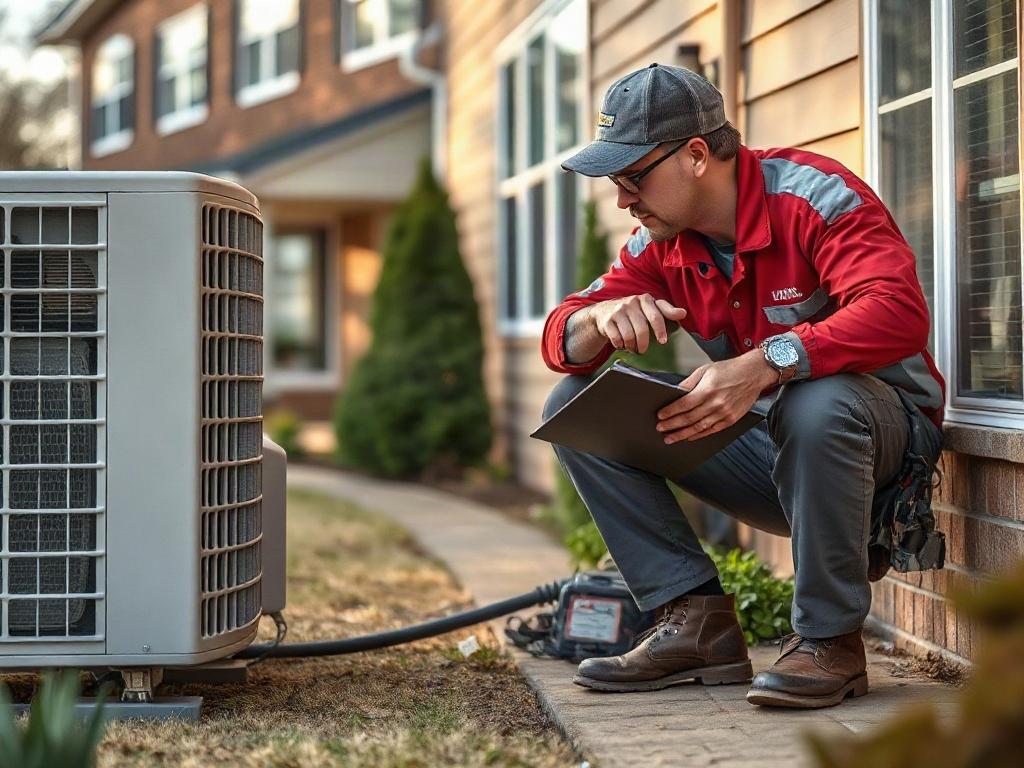
A new air conditioning system is a significant investment for any homeowner. In Edmond, where summer temperatures can put considerable demand on an AC system, proper installation matters just as much as choosing the right equipment.
Unfortunately, installation mistakes can affect comfort, efficiency, and an air conditioner's lifespan. From choosing the wrong system size to overlooking airflow issues, small installation mistakes can create frustrating problems later.
Knowing what to watch for can help homeowners make better decisions when it's time to replace an AC system.
Choosing the Wrong AC Size
One of the most common air conditioning installation mistakes is choosing a system based primarily on the size of the home. Square footage matters, but it's only one factor to consider when determining the right equipment.
An AC system that's too large may cool the home quickly but not remove humidity effectively. A system that's too small may struggle to keep up with demand during hot Oklahoma summers and may run for extended periods.
A proper evaluation should consider the home's insulation, windows, layout, orientation, and other characteristics. Professional load calculations can help determine the appropriate capacity for the property.
Installing the Outdoor Unit in a Poor Location
Where you place the outdoor condenser can affect how effectively the system operates. It needs adequate clearance for airflow and should be positioned to operate without unnecessary obstructions.
Installing the unit too close to walls, plants, fences, or other obstacles can restrict airflow. Excessive exposure to debris can also create maintenance concerns.
Before installation, consider the space around the condenser and how the location will affect access for future service. A qualified HVAC professional can help identify a practical location that supports proper operation and maintenance.
Overlooking Airflow Problems
Even a properly sized air conditioner can struggle when airflow through the home is inadequate. Ductwork, vents, filters, and return air pathways all play a role in moving conditioned air throughout the house.
Restricted airflow can make some rooms feel warmer than others and may force the system to work harder. It can also contribute to unnecessary strain on HVAC components.
During an AC installation, homeowners should make sure the existing ductwork fits the new system. If ducts are damaged, poorly connected, or improperly sized, addressing those issues may be an important part of the project.
Failing to Consider the Existing Ductwork
Replacing an air conditioner doesn't automatically mean the rest of the HVAC system is ready for new equipment. Older ductwork may have leaks, poor insulation, or design limitations that affect how efficiently conditioned air reaches different rooms.
A new system may expose problems that weren't as noticeable with the previous equipment. That's why inspecting the ductwork before installation can be valuable.
A professional HVAC contractor can assess the ducts' condition and determine whether repairs or improvements should be included in the installation plan.
Skipping Refrigerant Line and Electrical Checks
An AC installation involves more than placing a new condenser and connecting it to the indoor unit. Refrigerant lines, electrical connections, drainage, and other components need to work together properly.
Existing components may not suit new equipment. Reusing older parts without checking their condition or compatibility can create problems after installation.
Professional installation includes reviewing these connections and making sure the system is set up according to the equipment manufacturer's requirements.
Ignoring Drainage and Humidity Concerns
Air conditioners remove moisture from indoor air as they cool the home. That moisture needs to drain properly, so the condensate system is an important part of installation.
Poor drainage can lead to water leaks, property damage, or other moisture-related issues. These problems may be especially frustrating when they could have been avoided during installation.
Make sure the condensate drain and related components are properly installed and accessible for maintenance. Your HVAC professional can also explain how to monitor and maintain the system.
Choosing an Installer Based Only on Price
Cost is naturally an important consideration when replacing an air conditioner. Still, choosing an installer based solely on the lowest initial price can leave homeowners with installation issues that cost more to address later.
Ask what the installation includes and whether the contractor will evaluate sizing, ductwork, airflow, electrical requirements, and drainage. It's also worth asking about warranties, maintenance recommendations, and what happens if an installation issue appears after the project is complete.
A detailed estimate makes it easier to compare contractors based on the full scope of work rather than just the equipment price.
How to Avoid Common AC Installation Mistakes
Homeowners don't need to become HVAC experts before replacing their air conditioner. Asking a few practical questions can help you understand whether an installation plan addresses the important details.
Before approving an AC installation, consider asking:
- How was the system size determined?
- Will the ductwork be inspected?
- Is the outdoor unit location appropriate for airflow?
- Are the refrigerant lines compatible with the new system?
- How will condensate drainage be handled?
- What maintenance will the new system require?
Clear answers can help you feel more confident about the work being proposed.
Give Your New AC System a Proper Start
A new air conditioner should provide reliable comfort for years, but installation quality plays an important role in how well the system performs. Proper sizing, good airflow, appropriate equipment placement, and attention to the home's existing HVAC components can all make a difference.
At Caldwell Mechanical Services, we help Edmond homeowners make informed decisions about their heating and cooling systems. Our team can evaluate your home's needs, answer your questions, and provide professional AC installation designed around your property. Contact us today to discuss your AC replacement or installation needs.