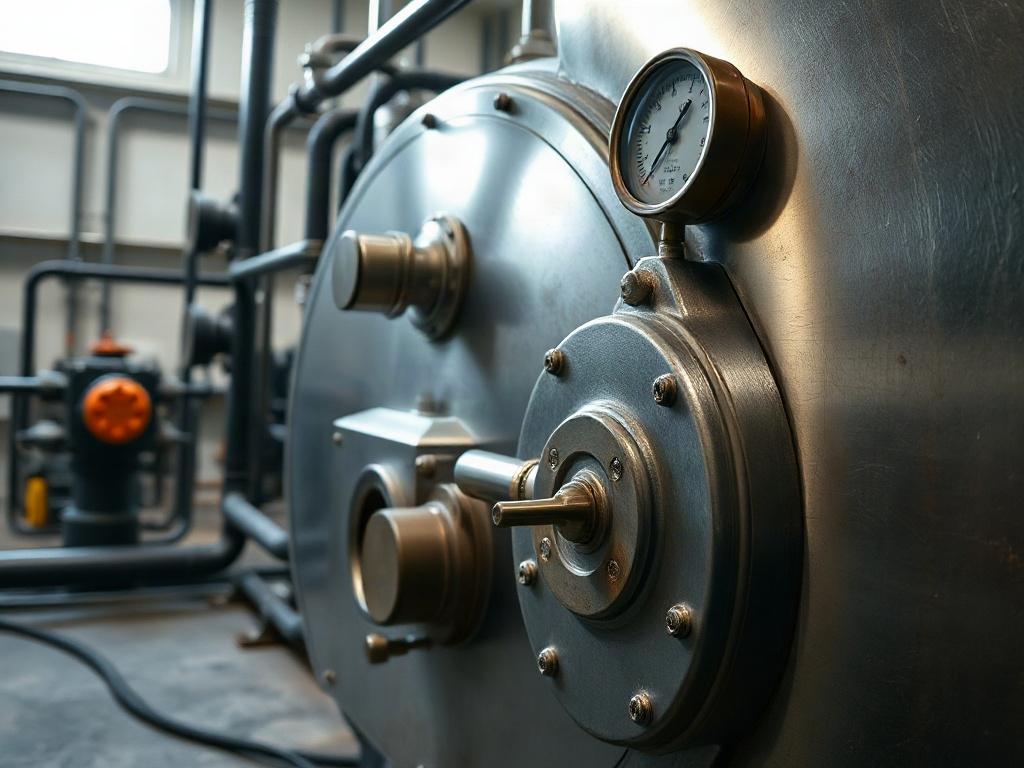
An industrial steam boiler rarely fails without warning. Most of the time, it drops hints for weeks or even months before something serious goes wrong. The trouble is that those hints are easy to miss when your crew is busy keeping production moving. Here are seven signs your boiler needs attention, and why it pays to act on them early.
1. Unusual Noises Coming From the Boiler
Every boiler makes some noise, and your operators know what normal sounds like. Banging, knocking, whistling, or a deep rumble usually means something has changed. A sound like a kettle about to boil, often called kettling, can point to scale buildup on heat transfer surfaces. Water hammer in the steam lines is another common culprit, and it can crack fittings if you ignore it.
2. Pressure That Won't Stay Steady
Steam pressure should stay within a predictable range for your process. If the gauges swing up and down, or the boiler struggles to hold its setpoint, something is wrong in the system. Common causes include:
- Faulty pressure controls or switches
- A failing feedwater pump
- Sticking or leaking safety relief valves
- Burner issues that affect the firing rate
High pressure is especially serious because it puts the vessel itself at risk. If a relief valve is lifting often, call a technician right away.
3. Leaks Around Valves, Fittings, or the Vessel
Water pooling under the boiler or steam escaping from a joint shouldn't be brushed off as normal wear. Small leaks waste treated water and fuel, and they can signal corrosion that's eating away at the metal. A leak near the shell or tubes is a much bigger concern than a dripping valve packing.
Don't Overlook Hidden Corrosion
Rust streaks, white crusty deposits, and stained insulation can all reveal slow leaks you can't see directly. These often show up around tube sheets, handholes, and manways. Catching corrosion early can save you from replacing major components later.
4. Inconsistent Steam Production
When your process doesn't get the steam it needs, output and product quality both suffer. You might notice longer warm-up times, wet steam, or downstream equipment that won't reach temperature. Scale buildup, burner problems, and failed steam traps are frequent causes.
5. Energy Bills That Keep Climbing
A boiler that's losing efficiency burns more fuel to make the same amount of steam. Even a thin layer of scale on the water side can noticeably cut heat transfer. Poor combustion, leaking traps, and damaged insulation all add to the waste. If fuel costs are rising while production stays flat, your boiler is a good place to start looking.
6. Frequent Shutdowns or Lockouts
Safety controls are designed to shut the boiler down when something isn't right. One trip can happen for a simple reason, but repeated lockouts point to a deeper issue. Low water cutoffs, flame sensors, and ignition components are common trouble spots. Resetting the boiler repeatedly without finding the cause is a risky habit.
7. Changes in Boiler Water or Exhaust
Your boiler water and flue gas can tell you a lot about what's happening inside. Discolored water, foaming in the sight glass, or rising stack temperatures all deserve attention. Black smoke or soot usually means the burner isn't firing cleanly. Regular water testing and combustion analysis help catch these problems before they cause real damage.
Why Early Boiler Repair Matters
Small boiler problems rarely fix themselves. A worn gasket or sticking valve can turn into a cracked tube or a failed burner if it runs long enough. Addressing issues early helps you:
- Avoid unplanned downtime that halts production
- Extend the life of your equipment
- Keep fuel and water costs under control
- Protect your crew from serious safety hazards
A scheduled repair is also far easier to plan around than an emergency shutdown in the middle of a busy week.
Schedule a Boiler Inspection With Our Team
If your boiler is showing any of these warning signs, don't wait for a full breakdown. Our team will inspect your system, pinpoint the problem, and walk you through your repair options. Contact Caldwell Mechanical Services today to request a free quote or schedule service. We'll help keep your steam and your operation running strong.