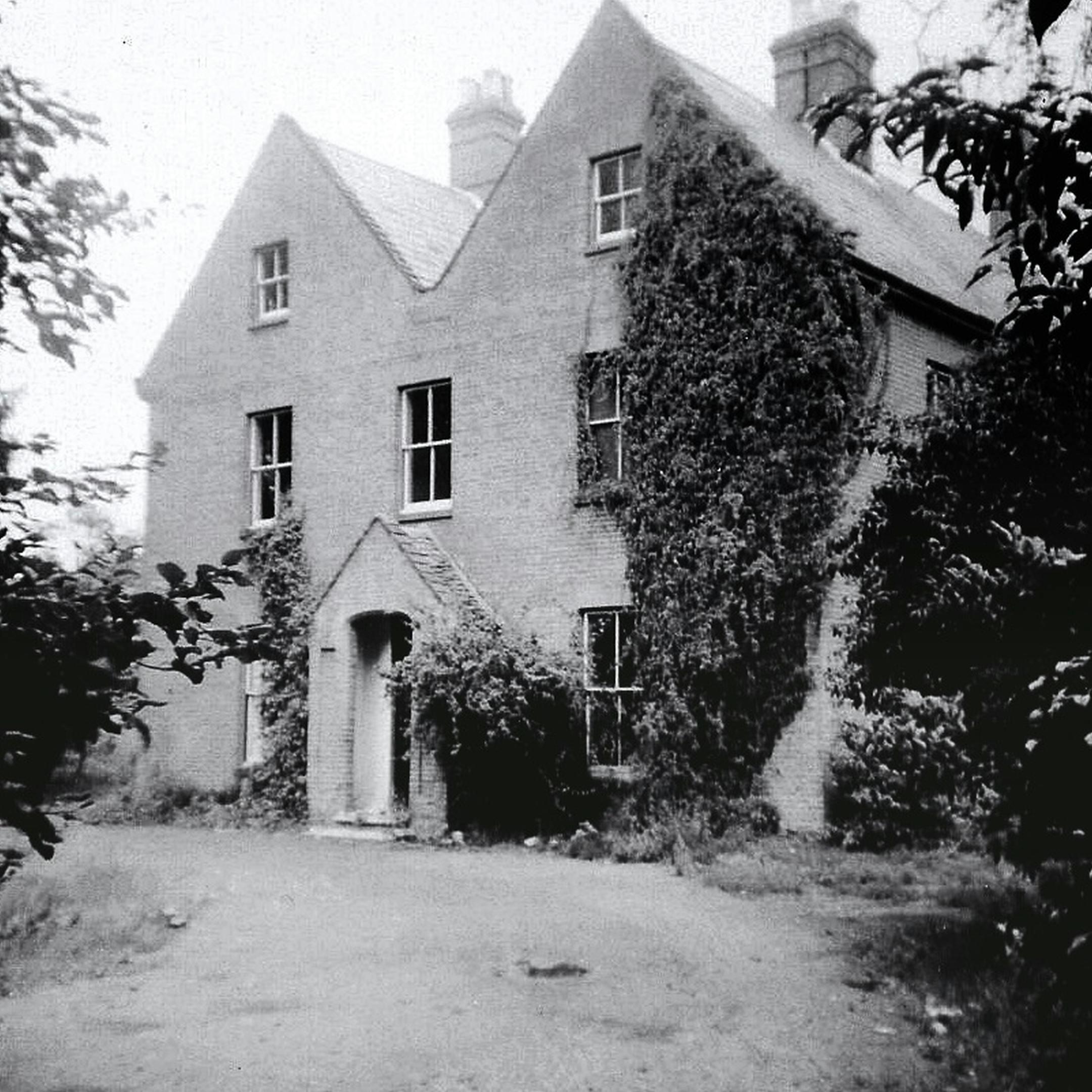
Older homes have character. But they also lose heat fast. Drafty windows, thin insulation, and aging systems make winter uncomfortable and expensive. If you’re wondering how to keep an old house warm, the answer isn’t one big upgrade. It’s a few smart fixes that work together.
Here are five heating fixes that actually make a difference—without wasting money.
1. Seal the air leaks first
Before you touch your heating system, stop the heat from escaping.
Old homes leak air in places you don’t always see. Around windows. Under doors. Through attic gaps. Even small cracks add up.
Start simple:
- Add weatherstripping around doors and windows
- Use door sweeps to block drafts
- Seal gaps with caulk or foam
This step is low-cost and high impact. You keep warm air inside and cold air out. That means your heater doesn’t have to work as hard.
If you skip this step, any upgrade you make later won’t perform as well.
2. Upgrade insulation where it matters most
Insulation in older homes is often thin—or missing.
Heat rises. So your attic is the first place to check. If it’s under-insulated, you’re losing heat every minute your system runs.
Focus on:
- Attic insulation
- Crawl spaces
- Basement ceilings
You don’t need to tear open every wall. Start with accessible areas. Adding insulation here improves comfort fast.
If you’re serious about how to keep an old house warm, this is one of the most effective fixes.
3. Service or replace your heating system
Older homes often rely on older systems. And older systems lose efficiency over time.
If your furnace or boiler hasn’t been serviced in a while, start there. A tune-up can fix small issues that cause big heat loss.
Look for signs of trouble:
If your system is past its lifespan, replacement may be the better move. New systems heat more evenly and use less energy.
A professional inspection helps you decide. You don’t have to guess.
4. Use zoning or smart controls
Older homes were not built with modern comfort in mind. Some rooms get too hot. Others stay cold.
Zoning fixes that.
You can:
- Install dampers in ductwork
- Use smart thermostats
- Add mini-split systems for problem areas
This gives you control over where heat goes. You stop overheating unused rooms and focus on the spaces you actually use.
And that makes a big difference in both comfort and cost.
5. Upgrade windows—or add storm windows
Windows are a major source of heat loss in older homes.
Full replacement works, but it’s not always necessary. If your budget is tight, consider storm windows. They add an extra barrier that reduces drafts and heat loss.
Other options:
- Window film
- Thermal curtains
- Draft stoppers
These fixes are simple but effective. They help keep warm air inside, especially at night.
If your windows are in very poor shape, replacement becomes worth it. But start with smaller upgrades if you need a lower-cost option.
Why these fixes work together
Each of these upgrades solves a different problem:
- Air leaks waste heat
- Poor insulation lets heat escape
- Old systems struggle to keep up
- Uneven heating causes discomfort
- Windows lose heat quickly
When you address all five, your home holds heat better. Your system runs less. And your space feels more consistent.
That’s the real answer to how to keep an old house warm. It’s not one fix. It’s a plan.
What to do next
Start small. Seal drafts. Add insulation where you can. Then look at your heating system.
If you’re not sure where to begin, get a professional assessment. It saves time and avoids costly mistakes.
At Caldwell Mechanical, we work with homeowners across Texas and Oklahoma. We don’t disappear after the job is done. We build long-term relationships and help you keep your home comfortable year after year.
Ready to make your older home warmer and more efficient? Schedule a consultation and get clear, practical recommendations for your space.